










 Download Brochure


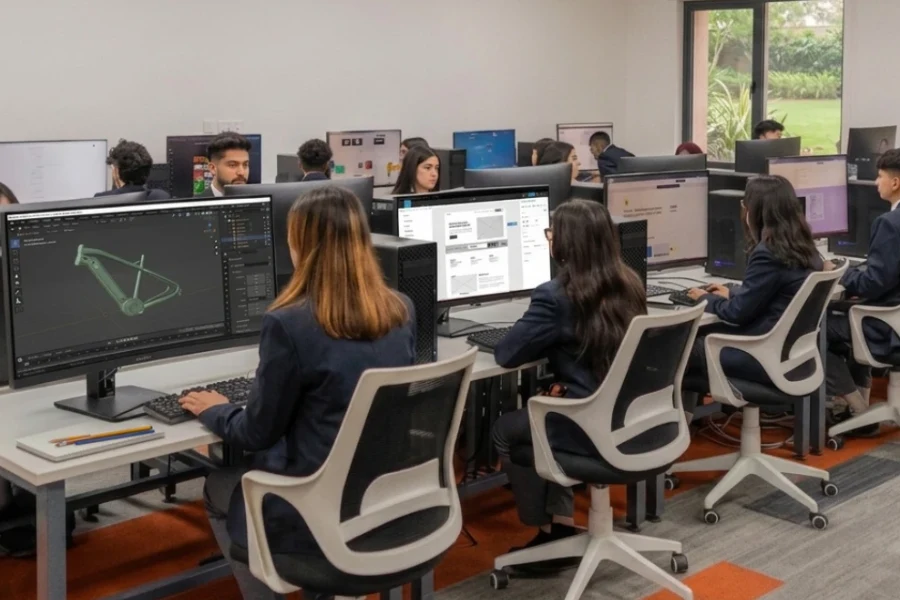
Animated visuals now dominate everyday digital experiences across media. Films, games, advertisements, and websites constantly use moving graphics. Meanwhile, audiences instantly connect with emotionally believable animated scenes. Professional animators carefully combine timing, rhythm, and visual psychology. Tiny character expressions sometimes create surprisingly powerful emotional reactions. Consequently, viewers remember animated moments long after watching them. Modern studios now merge creativity with advanced rendering technologies. Students are increasingly exploring graphic design and animation courses enthusiastically today.
Moreover, an animation course in Dehradun develops technical storytelling abilities. Designers study movement patterns through observation and practical experimentation. Hence, motion graphics continue to transform modern digital communication beautifully.
How the Human Brain Sees Motion
Our eyes catch flickering frames almost effortlessly. Our visual perception blends scattered moments into motion. Eye tracking follows movement across glowing animated scenes. Moreover, motion memory stores tiny visual changes rapidly. The brain, as a result, builds smooth, flowing cinematic action. Cognitive response strengthens emotional reactions during dramatic animated sequences. For instance, rushing cars suddenly feel thrillingly realistic. Nevertheless, separate images never actually move physically. Students pursuing B. Design in Animation study these fascinating reactions carefully.
Why Certain Animations Feel Emotionally Real
Small animated gestures often trigger genuine emotional connections. Meanwhile, subtle facial expressions reveal hidden character feelings. Body language also shapes believable emotional storytelling naturally. Furthermore, environmental motion deepens tension during dramatic animated moments. Gentle rain, swaying curtains, or trembling hands matter a lot.
As a result, audiences quietly connect with vulnerable animated characters. Imperfect movement patterns surprisingly create stronger visual realism. For instance, uneven breathing instantly feels deeply human. Anticipation principles also build suspense before emotional scene changes. Moreover, exaggerated reactions heighten excitement without feeling unnatural. Students exploring graphic design and animation courses study these emotional techniques rigorously.
Also Read:How a BPT degree will help in driving your career ahead
The Physics behind Motion Graphics
Animators constantly study movement from everyday surrounding environments carefully. Falling objects, flowing water, and drifting smoke inspire scenes. Furthermore, gravity and momentum shape believable animated character movements. Motion arcs additionally create smoother and naturally flowing visual actions.
As a result, audiences instantly notice awkward or unrealistic digital movements. Cloth simulation realistically recreates fabric movement during windy scenes. Meanwhile, particle systems generate sparks, rain, dust, and explosions. Animators also adjust acceleration through slow-in and slow-out techniques. Ultimately, realistic animation depends heavily upon carefully recreated physical behaviour digitally.
Science of Timing and Frame Control
- Frame rates influence animation smoothness and realism.
- Twenty-four FPS creates cinematic, natural movement perception.
- Higher frame rates produce sharper visual continuity.
- Poor timing often creates stiff robotic character motions.
- Smooth transitions improve emotional engagement during animated scenes.
- Scene rhythm controls audience attention and emotional pacing.
- Visual continuity maintains consistent movement between animation frames.
- Slow frame pacing creates dramatic cinematic storytelling moments.
- Fast transitions increase excitement during intense action sequences.
- Timing adjustments strengthen realistic character reaction movements.
- Balanced motion arcs create visually believable animated actions.
- Consistent frame control improves immersive viewing experiences.
Role of Sound Design in Realistic Animation
Sound design quietly shapes emotional experiences during animated storytelling scenes. Footsteps, rustling leaves, and distant echoes create believable environments. Synchronized voices strengthen emotional connection with animated characters instantly. Audiences often notice missing sounds before visual animation flaws. Consequently, sound designers carefully match audio alongside movement timing precisely.
Background music additionally controls tension during dramatic cinematic sequences naturally. Meanwhile, impact sounds improve realism during action-heavy gaming environments significantly. Advertisements frequently use subtle audio cues to attract the audience's attention quickly. Motion graphics projects also depend heavily upon environmental sound layers.
Technologies Powering Modern Motion Graphics
- AI-assisted character animation workflows.
- Motion capture improves movement realism.
- Real-time rendering speeds production pipelines.
- Advanced 3D simulation environment creation.
- Virtual production transforms cinematic storytelling.
- Blender supports flexible animation design.
- Maya enables detailed character rigging.
- Unreal Engine powers immersive visual environments.
- Adobe After Effects enhances motion graphics.
- Cloud rendering improves collaborative animation workflows.
- Modern studios adopt AI-driven animation tools.
An Animation course in Dehradun builds expertise in all the technical aspects.
Importance of Observation Skills in Animation
Animators constantly observe people walking through crowded public spaces attentively. Subtle expressions and body movements naturally inspire believable animated characters. Furthermore, environmental interactions help scenes feel emotionally authentic onscreen. Students pursuing B. Design in Animation study observation deeply. Consequently, they develop stronger storytelling abilities alongside technical creative expertise. Careful observation thus transforms ordinary animated scenes into memorable visual experiences.
Career Opportunities after Graphic Design and Animation Courses
- Motion graphics artist
- 2D animation specialist
- 3D environment artist
- Storyboard concept designer
- Visual effects artist
- Character design illustrator
- UI/UX visual designer
- Gaming asset creator
- Virtual reality designer
- Digital media animator
- Advertising visual strategist
- Film production animator
- Broadcast graphics designer
- Interactive media developer
- Creative art director
Closing Remarks
Realistic animation combines psychology, storytelling, timing, and digital technology beautifully. Moreover, motion graphics now influence gaming, branding, education, and entertainment. Creative industries increasingly demand technically skilled animation professionals worldwide today. Students often imagine stories beside softly glowing computer screens. Consequently, many students pursue immersive animation and game design programs. Graphic Era University helps students develop practical creative expertise.
Also Read:Top Biotech Courses After 12th: Eligibility, Exams, and Career Scope