Merit prepared on basis of the qualifying exam
Candidates with B. Sc. Food Technology/B. Sc. Foods and Nutrition/B. Sc. Nutrition and Dietetics/B. Sc. Agriculture/Bachelors
The Department of Food Science & Technology at Graphic Era (Deemed to be University) offers postgraduate education with a strong emphasis on nutrition, health, and functional foods.
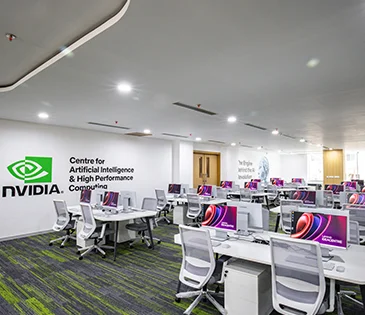
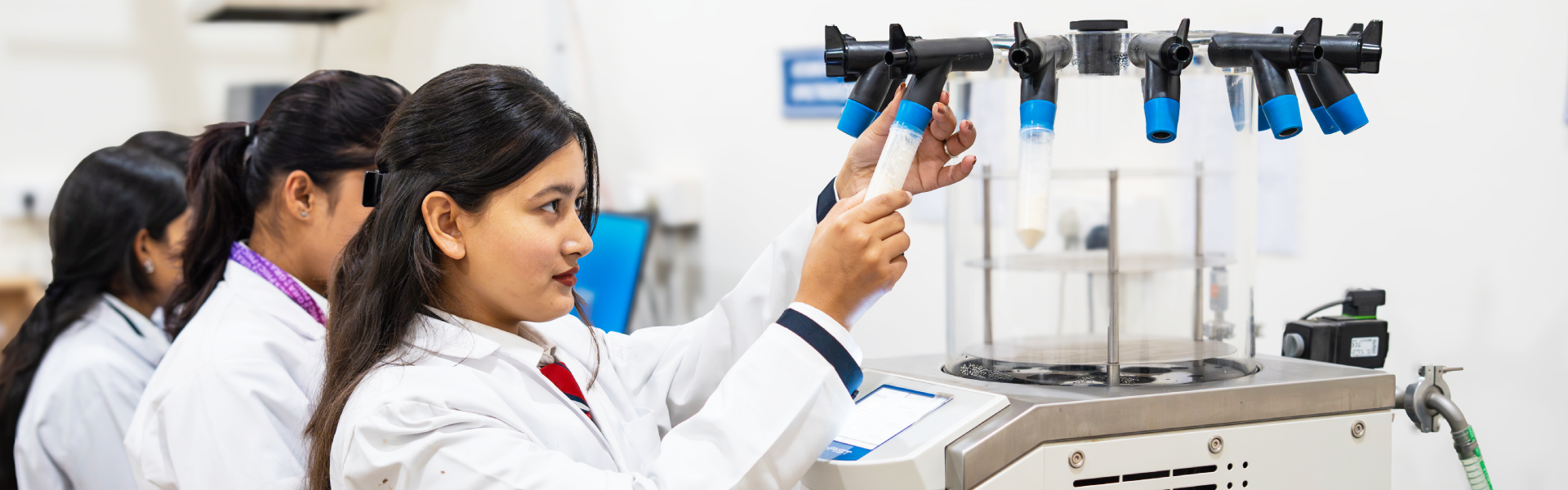
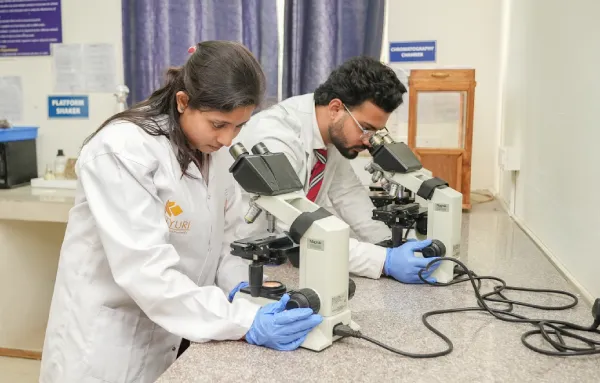
The M.Sc. Foods and Nutrition program provides students with a solid foundation in nutritional science, diet planning, food quality, and research methodologies. Supported by state-of-the-art laboratories, experienced faculty, and strong industry and research collaborations, the department offers hands-on training through internships, fieldwork, and research projects. Graduates are well prepared for careers in nutrition, public health, research, and the food industry
Graduates are well prepared for careers in nutrition, public health, research, and the food industry
Candidates with B.Sc. Food Technology/B.Sc. Foods and Nutrition/B.Sc. Nutrition and Dietetics/B.Sc. Home Science/B.Sc. Agriculture/ Bachelors in Biological Sciences and relevant stream.
Students will apply the concepts related to field of foods and nutrition for academia, research and entrepreneurship.
Students will be able meet the demands of modern society by acquiring practical skills that enhances their potential in the field of nutrition science.
To produce professional post-graduates ready to work with a sense of responsibility, ethics and enabling them to work efficiently individually and also as a team.
To impart the competency in students so that they are able to pursue higher studies and research in areas of foods, nutrition, dietetics and other professionally related fields.
Apply the knowledge of technological principles underlying foods and nutrition science to the solution of complex science problems.
Identify, formulate, review research literature, and analyze complex problems reaching substantiated conclusions using first principles of sciences and technology.
Skills and knowledge necessary to design solutions that address the complexities of the foods, nutrition and dietetics industry while prioritizing public health, safety, and environmental sustainability, as well as considering social and cultural norms of the society.
Use research-based knowledge and research methods including design of experiments, analysis and interpretation of data, and synthesis of the information to provide valid conclusions for complex problems.
Utilize, select, and apply modern analytical and IT tools, including prediction and analysis techniques, effectively in complex food and nutrition activities while recognizing their limitations.
Apply contextual reasoning to assess societal, health, safety, legal, and cultural issues in the field of food, nutrition and dietetics practice, ensuring ethical and responsible professional conduct.Top of Form
Understand the environmental and societal impacts of food and nutrition science solutions, and integrate sustainable development principles into professional practice.
Students will acquire various concepts of foods and nutrition science by acquiring theoretical and practical knowledge.
Students will develop essential skills required for community nutritional assessment, health monitoring, diet planning, counselling and food safety.
Students will learn the aspects of various multidisciplinary field of foods and nutrition and knowledge about sustainable development.
They have various career opportunities as:
Notes: Semester 1 and 2 are applicable only for regular entry students. Lateral entry students begin from Semester 3.
Yes, through labs and industrial visits.
Registered Dietitian, Health Counselor, Food Technologist, Dietitian, Food Safety Officer, Product Developer, Research Scientist, and more.
Yes, collaborations provide internships, expert talks, and real-world exposure.