




GEU
facilities
Level
Undergraduate
facilities
Duration
4 Years
facilities
Fee Structure
Click Here
B. Tech. Biotechnology with Specialisation in Sustainable Sciences, Computational Biology and Synthetic Biology

Admission Procedure

Merit prepared on basis of the qualifying exam

Provisional Admission

Candidates who have passed 12th with Physics, Chemistry, Biology /Physics, Chemistry, Mathematics (55% aggregate) from a recognized board of examination.

About The Program

Welcome to the Department of B. Tech in Biotechnology where a four-year undergraduate program is offered that integrates principles of biological sciences and engineering to develop innovative solutions for various biological problems.

This department is accredited by National Board of Accreditation (NBA) in 2022 and again in 2025, the program focuses on the application of technology to manipulate biological systems, including genetic engineering, bioprocess engineering, environmental biotechnology and medical biotechnology.

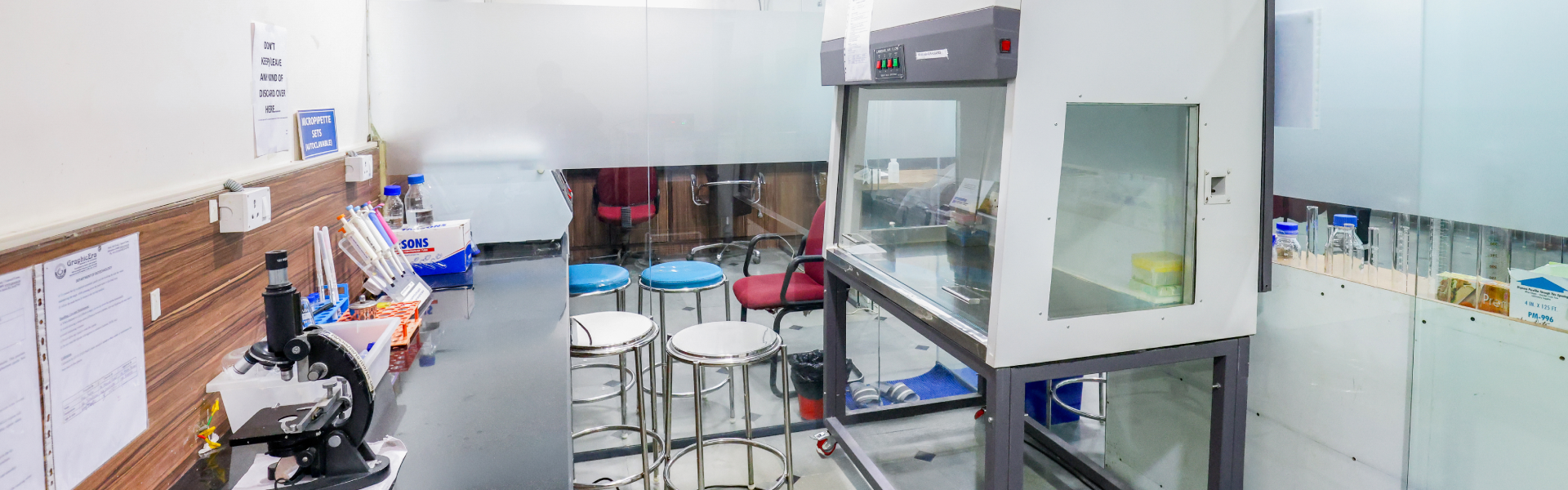
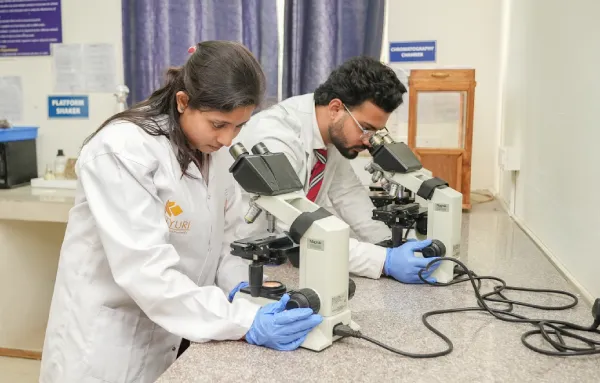
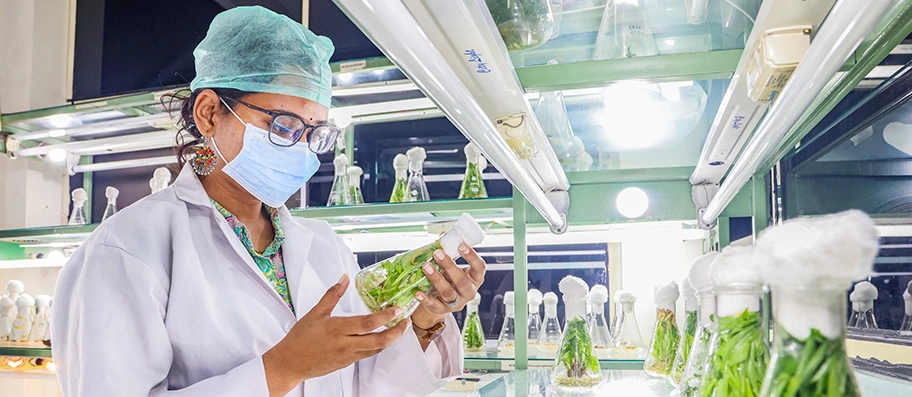
Our department has experienced and learned faculty members from prestigious institutions holding expertise in various areas of biological sciences. The program provides hands-on experience through laboratory experiments, field visits, internships, and industry visits. This allows students to apply their theoretical knowledge to real-world scenarios and develop practical skills.

The program also emphasizes the development of critical thinking, problem-solving, and communication skills. Our students are placed in globally recognized companies such as Biocon, Thermo Fischer, Johnson and Johnson, Cognizant, TCS, Serum Institute of India, Accenture, Panacea, Syngene, Dr Reddys, Sun pharma, Jubilant, Corning Technologies India Limited, Signicent, and many more, providing students with ample opportunities to kick-start their careers in the domains of Vaccines, Biosimilars, Biopharma, Bioprocess, Fermentation, Bioinformatics, QA/QC, Clinical research and Pharmacovigilance etc.
Eligibility

Candidates who have passed 12th with Physics, Chemistry, Biology /Physics, Chemistry, Mathematics (55% aggregate) from a recognized board of examination.

Teaching Pedagogies

The department lays emphasis on practical skills, and industrial preparedness. The department uses student centered learning approach. Key pedagogical practices include:

  • Practical Skills and Industrial Preparedness: The department emphasizes hands-on training in biotechnology techniques and laboratory practices. Industry-oriented projects and internships prepare students for careers in biotech, pharmaceuticals, and research.
  • Student-Centric Learning Approach: Teaching strategies focus on active learning and problem-solving in biotechnology concepts. Students are encouraged to take responsibility for learning through discussions and practical activities.
  • Smart Classrooms: Smart classrooms are used to explain complex biotechnological processes through digital tools and animations. This enhances conceptual clarity in molecular biology, genetics, and bioinformatics.
  • Flipped Classroom Learning: Biotechnology concepts are introduced through pre-class videos and reading materials. Classroom sessions focus on data analysis, case studies, and experimental discussions.
  • Project-Based Learning: Students undertake biotechnology projects involving experimental design and data interpretation. This approach strengthens research skills and scientific thinking.
  • Assignments: Assignments focus on biotechnology applications, recent advances, and data analysis. They encourage self-learning and understanding of emerging biotechnological trends.
  • Educational Visits: Educational visits to biotech industries, research laboratories, and institutions are organized. These visits provide exposure to real-world biotechnological applications.
  • Field-Based Learning: Field-based learning includes exposure to bioprocess units, medicinal plants, and environmental biotechnology sites. It helps students relate theoretical knowledge to practical applications.
  • Group Discussions: Group discussions are conducted on current topics in biotechnology and life sciences. These enhance scientific communication and critical analysis skills.
  • Collaborative Thinking: Collaborative activities encourage teamwork in experimental planning and problem-solving. Peer learning enhances understanding of interdisciplinary biotechnology concepts.
  • Industry-Based Internships and Projects: Biotechnology students undertake internships and projects in biotech industries and research organizations. This provides hands-on experience with industry practices and research methodologies.

Program Educational Objectives (PEOs)

PEO1

To impart in-depth knowledge about biological sciences and engineering and inculcate research aptitude for producing professionals capable of working successfully in various Industries or establishing biotechnology-based entrepreneurship ventures.

PEO2

To impart state-of-the-art technology and practical training to solve problems with novelty and updated knowledge.

PEO3

To impart knowledge through updated curriculum as per need to prepare students for higher studies and national/international competitive examinations.

PEO4

To inculcate spirit of teamwork with leadership attributes, ethical behavior, constructive thinking for the welfare of society and human beings.

Program Outcomes (POs)

PO1

Engineering Knowledge

Apply knowledge of mathematics, natural science, computing, engineering fundamentals and an engineering specialization as specified in WK1 to WK4 respectively to develop to the solution of complex engineering problems.

PO2

Problem Analysis

Identify, formulate, review research literature, and analyze complex engineering problems reaching substantiated conclusions with consideration for sustainable development. (WK1 to WK4)

PO3

Design/Development of Solutions

Design creative solutions for complex engineering problems and design/develop systems/components/processes to meet identified needs with consideration for the public health and safety, whole-life cost, net zero carbon, culture, society, and environment as required. (WK5)

PO4

Conduct Investigations of Complex Problems

Conduct investigations of complex engineering problems using research-based knowledge including design of experiments, modelling, analysis & interpretation of data to provide valid conclusions. (WK8).

PO5

Engineering Tool Usage

Create, select, and apply appropriate techniques, resources and modern engineering & IT tools, including prediction and modelling recognizing their limitations to solve complex engineering problems. (WK2 and WK6)

PO6

The Engineer and The World

Analyze and evaluate societal and environmental aspects while solving complex engineering problems for its impact on sustainability with reference to economy, health, safety, legal framework, culture, and environment. (WK1, WK5, and WK7).

PO7

Ethics

Apply ethical principles and commit to professional ethics, human values, diversity and inclusion; adhere to national & international laws. (WK9)

PO8

Individual and Collaborative Teamwork

Function effectively as an individual, and as a member or leader in diverse/multi-disciplinary teams.

PO9

Communication

Communicate effectively and inclusively within the engineering community and society at large, such as being able to comprehend and write effective reports and design documentation, make effective presentations considering cultural, language, and learning differences.

PO10

Project Management and Finance

Apply knowledge and understanding of engineering management principles and economic decision-making and apply these to one’s own work, as a member and leader in a team, and to manage projects and in multidisciplinary environments.

PO11

Life-Long Learning

Recognize the need for and have the preparation and ability for i) independent and life-long learning ii) adaptability to new and emerging technologies and iii) critical thinking in the broadest context of technological change. (WK8)

Program Specific Outcomes (PSOs)

PSO1

The student will be able to apply the knowledge of biotechnology and allied. disciplines in industry, research and higher studies

PSO2

The student will be able to apply technological solutions in the area of modern biotechnological applications.

PSO3

The student will be able to apply the knowledge of biotechnology and allied disciplines to become an entrepreneur.

Career Prospects

After completing a B.Tech. in Biotechnology, graduates can explore a wide range of career opportunities across diverse industries and sectors. The program equips students with strong technical, analytical, and problem-solving skills, enabling them to contribute to research and development, manufacturing, quality assurance, regulatory affairs, product development, and technical sales.

Biotechnology graduates are well-prepared to work in biopharmaceuticals, healthcare, diagnostics, agriculture, food and beverages, environmental management, and industrial biotechnology, where biotechnological tools drive innovation and new product development.

Here are ten potential career paths for B. Tech Biotechnology graduates:

Biotech Research Scientist

Bioprocess Engineer

Genetic Counsellor

Pharmacovigilance Analyst

Bioinformatics Analyst

Biomedical Engineer

Food and Agricultural Scientist

Medical Science Liaison

Quality Control Analyst

Regulatory Affairs Specialist

Graphic Era (Deemed to be University)

Placements

Graphic Era Deemed to be University has a strong connection to various industries, and its track record for successfully placing students in reputable positions is outstanding, with graduates being placed in internships and permanent roles. The university has formed valuable relationships with globally recognized companies such as Amazon, Microsoft, Google, Walmart, Adobe, and many more, providing students with ample opportunities to kick-start their careers.

Graduates from Graphic Era Deemed to be University can be confident in their ability to succeed in the workforce due to the exceptional training and real-world experience they gain from their internships and placements with these top-tier companies.

Notes: Semester 1 and 2 are applicable only for regular entry students. Lateral entry students begin from Semester 3.

Course Curriculum

Semester 1

  • Professional Communication
  • Engineering Chemistry
  • Fundamental of Medical Biotechnology
  • Fundamental of Computer & Introduction to Programming
  • Basic Electrical and Electronics Engineering
  • Chemistry
  • Engineering Graphics and Design Lab
  • Computer Lab-I
  • Environmental Science
  • Basic Electrical and Electronics Engineering Lab

Semester 2

  • Advanced Professional Communication
  • Engineering Physics
  • Engineering Mathematics
  • Advanced Organic Chemistry
  • Programming for Problem Solving
  • Design Thinking
  • Physics Lab
  • Computer Lab-II
  • General Proficiency-I
  • Healthy Living and Fitness

Semester 3

  • Genetics and Molecular Biology
  • Cell Biology
  • Microbiology
  • Biochemistry
  • Entrepreneurship Development
  • Career Skills-I
  • Universal Human Values II
  • Gender Equality and Empowerment
  • Genetics and Molecular Biology Laboratory
  • Microbiology Laboratory
  • Biochemistry Laboratory

Semester 4

  • Recombinant DNA Technology
  • Immunology and Immunotechnology
  • Bioprocess Engineering
  • Bioanalytical Techniques
  • Environmental Biotechnology/ Waste Management and Upcycling
  • Academic Report Writing and IPR
  • Career Skills II
  • Recombinant DNA Technology Laboratory
  • Immunology and Immunotechnology Laboratory
  • Bioprocess Engineering Laboratory

Semester 5

  • Animal & Plant Biotechnology
  • Enzyme Technology
  • Fermentation Technology
  • Bioinformatics
  • Forensic Biotechnology/ Nanotechnology
  • Biosimilars Technology/ Stem Cell Technology
  • Career Skills III
  • Animal and Plant Biotechnology Laboratory
  • Fermentation Technology Laboratory
  • Bioinformatics Laboratory

Semester 6

  • Omics Technology
  • Bioseparation Technology
  • Agriculture Biotechnology
  • Pharmaceutical Biotechnology
  • Biophysics/ Green Biotechnology and Pollution Abetment
  • Industrial Summer Training
  • Career Skills IV
  • Mini Project
  • Omics Technology Laboratory
  • Bioseparation Technology Laboratory
  • Agriculture Biotechnology Laboratory

Semester 7

  • Food Biotechnology
  • Professional Ethics
  • Rational Drug Discovery/ Molecular Diagnostic Techniques
  • Ecology, Environment & Conservation
  • Major Project I
  • Industrial Summer Training

Semester 8

  • Computational Systems Biology
  • Entrepreneurial Biotechnology
  • Major Project II

Frequently Asked Questions

B.Tech. Biotechnology is a four-year undergraduate program that combines biological sciences with engineering principles to develop innovative solutions in healthcare, agriculture, and environmental sustainability.

The B Tech Biotechnology course details include a duration of four years, divided into eight semesters with theoretical learning, laboratory training, and project work.

The program includes core courses, along with a range of electives, mandatory non- graded, and value-added courses, that allow students to specialize in specific areas of Biotechnology.

The B.Tech. Biotechnology syllabus is designed to provide strong foundations in biological sciences, engineering principles, computational tools, and laboratory skills.

Candidates must have passed Class XII with Physics, Chemistry, and Mathematics or Biology from a recognized board. Admission is based on merit as per university guidelines.

Mathematics is not compulsory in all institutions; candidates from the PCB stream are also eligible, depending on university norms.

Yes, students with biology background can pursue B.Tech. in Biotechnology, as the program integrates biology with technology and engineering concepts.

Applicants must fulfil the eligibility criteria, complete the application process, and participate in counselling or merit-based selection as required by the university.

Admissions are generally based on national or university-level exams such as JEE Main, CUET, or internal tests conducted by universities.

Students must submit their 10th and 12th mark sheets, transfer certificate, migration certificate, passport-size photographs, and ID proof.

The average fee for a B.Tech. in Biotechnology in India ranges from ₹2.5 to ₹5 lakh per year, depending on whether the college is government or private. Check Fee

Yes, scholarships are available for meritorious and deserving students based on academic performance or university criteria, CUET and GUCET.

Yes, B.Tech. Biotechnology offers excellent career opportunities in pharmaceuticals, agriculture, research, healthcare, bioinformatics, and environmental industries in India.

The salary after completing B.Tech. Biotechnology depends on the organization, role, and experience level of the candidate.

Graphic Era (Deemed to be University) is recognized among the best universities for B.Tech. Biotechnology in India offers modern labs, expert faculty, research-driven education, and top placement opportunities.

Contact Us

GEU
GEU

566/6, Bell Road, Society Area,
Clement Town, Dehradun,
Uttarakhand