Teaching Pedagogies
The design pedagogy is aimed at empowering future designers with building-in enhanced human intelligence (HI) for creative problem-solving with AI assisted holistic curriculum that cultivates intelligence, capacity, skills, tools, method, technique, and crucial additional factors in a developmental sequence, fostering well-rounded creative minds.
Design education embraces the synergy of Al and HI, forging a 'hyper-transdisciplinary' approach. This empowers learners to tackle complex challenges through deep integration of knowledge, Al-augmented creativity, and ethically guided innovation. Cultivating both Al literacy and enhanced human intelligence will be central to shaping impactful design solutions for tomorrow's world.
Building-in Areas of Expertise in Innovation
Design Strategy
Defines the overarching vision and framework for design decisions to achieve specific goals.
- User research
- Design direction
- Culture & context
- Design impact
- Socio-business design
- Strategic design
Design Tools & Technologies
Equips students with the practical skills to translate concepts into tangible outputs using relevant software and methods.
- Design thinking
- CAD softwares
- Human intelligence & Artificial intelligence
- Ergonomics
- Prog. languages
- XR Lab (AR+VR+MR)
- Emerging technologies
Design Innovation
Fosters creative problem-solving and the development of novel and impactful design solutions.
- Design process
- HCI - Human Factors
- Inclusive Design
- Systems thinking
- Managing uncertainty
- Value realization & creation
Experience Design
Focuses on understanding and shaping meaningful and user-centric interactions across touchpoints.
- Multi-sensory design
- Human interface
- Nature & sustainability
- Design futures
- Product lifestyle
- Holistic User Experience
Business Design Management
Integrates design thinking with business principles for strategic decision-making and value creation.
- Business tools for Design
- Leadership & change maker
- Design management
- Professional communication
- Promotion & awareness
- Business strategy
- Project management
Infrastructure
- Drawing Studios
- Illustration and Graphic Design Studios
- Photography Studio
- Sound Mixing and Recording Studio
- Cinematography Studio
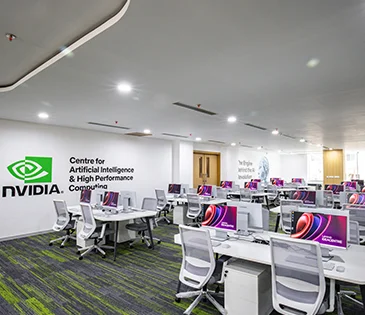
- CAD Studio
- Visual Merchandising Studio
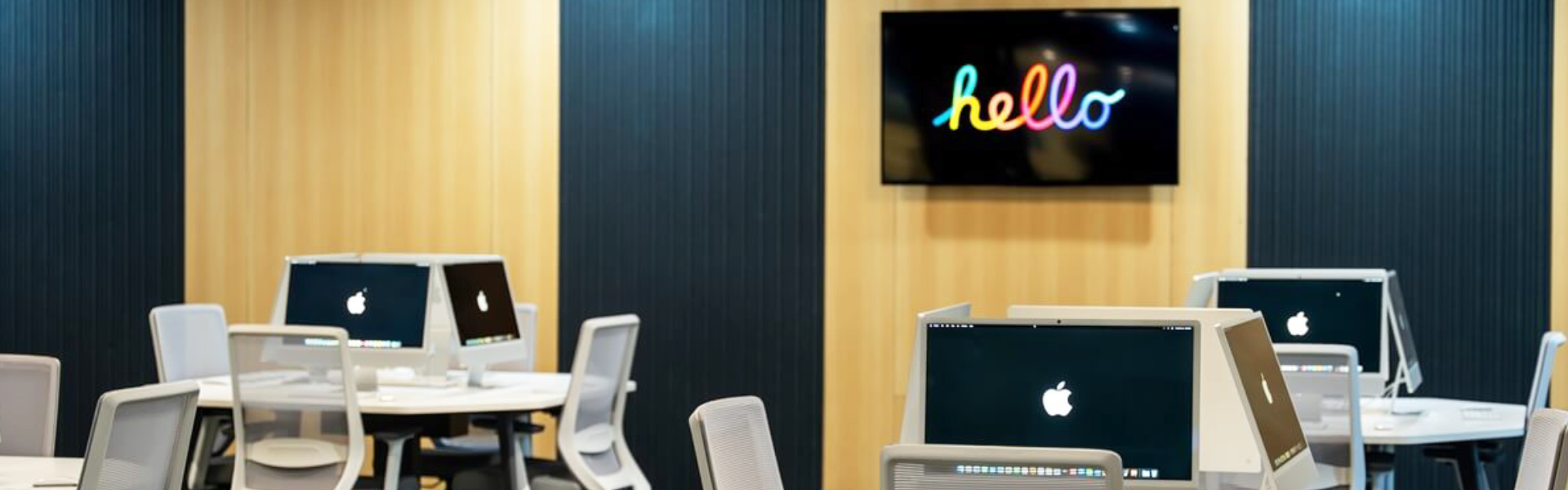
- Ergonomics Lab
- Fabrication Lab
- Mechatronics lab
- CNC Lab and Laser Cutting Shop Floor
- 3D Printing Facility
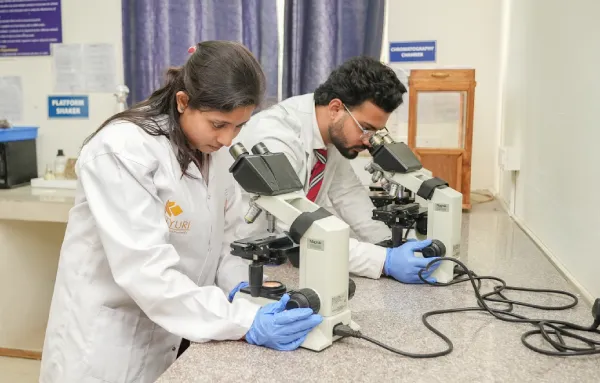
- Material Testing lab
- IoT Lab
- AR/VR Lab & Usability Lab
- Creative Display Studio
- Prototyping Workshops (such as Wood, Metal, Plastic, Paint shop, Assembly workshop)
Specialization
Stream: M.Des. (Graphic and Visual Communication Design)
The goal of Graphic and Visual Communication Design is to create meaningful, persuasive, and engaging visual solutions that effectively meet communication objectives, considering the audience, context, and media platform. This program aims for a holistic approach, ensuring visual artifacts are not only user-centered but also aesthetically impactful, technically reproducible, strategically sound, and culturally relevant, contributing to effective information transfer and brand value.
For a Graphic and Visual Communication Design Masters program, this formula means that effective VCD integrates communication strategy (target audience, message clarity, and brand goals) with a deep understanding of semiotics (meaning-making through symbols, text, and image) and media technology (digital, print, motion, and interactive platforms) to create high-quality, innovative, and impactful visual systems.
Visual Communication Design is what we design (logos, interfaces, publications, motion graphics) to achieve an intended message, experience, and value.
Graphic and Visual Communication Design shapes how people perceive and interact with information, brands, and narratives. It determines the overall clarity and perceived trustworthiness of a message, focusing on visual hierarchy, typography, imagery, and the seamless, cognitive relationship between the viewer and the information.
Graphic and Visual Communication Design transforms complex information into clear, actionable, and beautiful visual solutions. This process involves a deep dialogue between message, medium, and psychology, considering the cognitive and emotional impact of the communication as it is consumed and interpreted across its entire lifecycle – from initial concept to final deployment.
Highlight Areas
Strategic Visual Systems and Brand Architecture, Semiotics and Cognitive Persuasion, Information Complexity and Data Visualization, Cross-Platform Visual Integrity and Fidelity, Designing Trust and Ethics in Media Environments and many more.













 Download Brochure




 Download
Brochure
Download
Brochure