
GEU

Frequently Asked Questions

The program integrates core electrical engineering with modern computing technologies such as AI, ML, IoT, embedded systems, and power electronics, offering an interdisciplinary skill set that prepares students for diverse technology-driven careers.

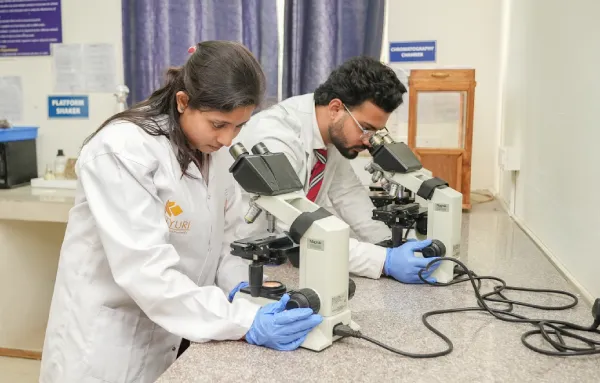
Students receive hands-on training through advanced laboratories, industry visits, internships, research projects, and collaborative assignments that enhance problem-solving and industry readiness.

Graduates can pursue careers in electrical design, power systems, embedded systems, AI/ML, IoT, cybersecurity, automation, robotics, smart grid technologies, renewable energy, VLSI, and can also opt for higher studies or research in advanced engineering fields.

To earn the specialization, students must successfully complete an additional 18 credits through designated EV-focused courses, including subjects such as Electric Vehicle Fundamentals, Energy Storage Systems, Electric Drives and Controllers, Advanced Power Electronics, EV Batteries and Charging Systems, along with associated laboratory courses and project work.

The specialization offers comprehensive knowledge of electric vehicle technology, covering EV architecture, battery systems, electric drives, charging infrastructure, and advanced power electronics. It prepares students for fast-growing EV industry roles in India and abroad.

The program focuses on advanced concepts related to electric vehicles, including power electronics, electric drivetrains, battery management systems, energy storage technologies, and smart charging infrastructure. It prepares students for specialized roles in the fast-growing EV industry.

Students gain hands-on experience through state-of-the-art EV laboratories, advanced simulation tools, industrial internships, and research-driven projects. They work on real-world challenges related to battery systems, EV design, charging infrastructure, and energy integration.

Graduates can pursue careers in EV design and engineering, battery technology development, EV manufacturing, automotive R&D, software development for mobility systems, and maintenance and support roles. Opportunities exist in leading EV companies, renewable energy firms, automotive manufacturers, and research organizations.

Students gain hands-on experience through state-of-the-art EV laboratories, advanced simulation tools, industrial internships, and research-driven projects. They work on real-world challenges related to battery systems, EV design, charging infrastructure, and energy integration.

Graduates can pursue careers in EV design and engineering, battery technology development, EV manufacturing, automotive R&D, software development for mobility systems, and maintenance and support roles. Opportunities exist in leading EV companies, renewable energy firms, automotive manufacturers, and research organizations.

The program offers research opportunities in power systems, power quality, renewable energy, smart grids, electric vehicles, power electronics and drives, hybrid energy systems, battery management systems, control systems with AI techniques, instrumentation, signal processing, and interdisciplinary domains such as machine learning and data analytics.

The program typically spans three to six years, depending on the scholar’s research progress, completion of coursework, and successful submission of the doctoral thesis.

Yes. The university provides strong support for publishing in reputed peer-reviewed journals, presenting work at national and international conferences, and filing patents for innovative and impactful research outcomes.

Yes. Doctoral scholars often collaborate with power utilities, renewable energy companies, EV industries, research laboratories, and government agencies through sponsored research projects and applied research initiatives.

Graduates can pursue roles such as EV design engineer, battery systems engineer, charging infrastructure engineer, power electronics engineer, and R&D specialist. Top recruiters include Tata Motors, Mahindra Electric, Tesla, Ola Electric, Ather Energy, Exide, Bosch, Siemens, ABB, and other EV manufacturers and technology firms.

Contact Us

GEU
GEU

566/6, Bell Road, Society Area,
Clement Town, Dehradun,
Uttarakhand