









 Download Brochure


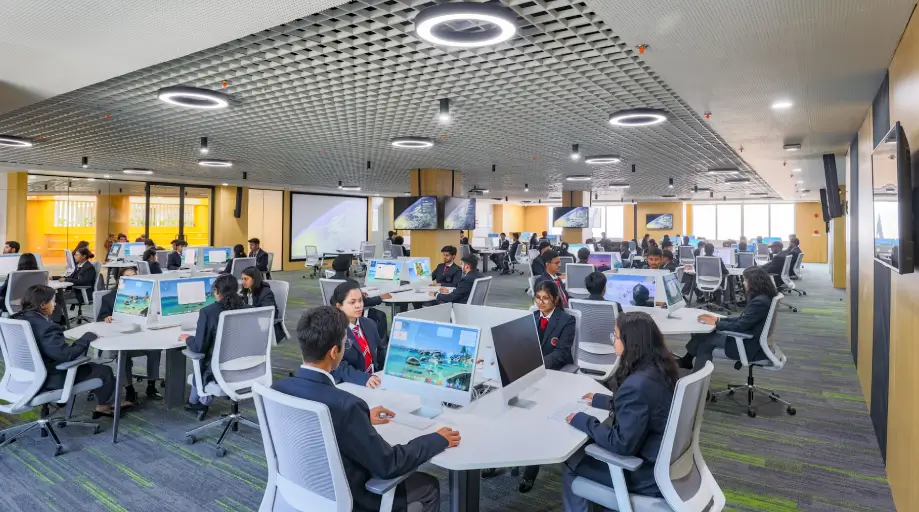
The job market is changing faster than ever. Employers today are looking for more than academic qualifications—they want candidates who can communicate effectively, solve problems, adapt to change and work well with others. While a degree remains important, the ability to learn new skills can make students more competitive and future-ready.
Whether you are in school, college or preparing for your first job, investing time in developing new skills can improve your confidence, employability and career prospects. This guide explores the ten essential skills every student should master to succeed in today's dynamic world.
New Skills to Learn for Students: Why Skill Development Matters
Academic knowledge provides a strong foundation, but practical skills help students apply that knowledge in real-world situations. As industries adopt new technologies and work environments evolve, students who continuously gain new skills are more likely to stand out during internships, placements and job interviews.
Learning beyond the classroom also improves adaptability, creativity and decision-making, making students better prepared for future opportunities.
Best Skills to Learn: 10 Essential Skills for Every Student
1. Communication Skills
Communication is one of the best skills to learn because it influences almost every aspect of your personal and professional life.
Students should focus on improving:
- Verbal communication
- Written communication
- Public speaking
- Presentation skills
- Active listening
Strong communication helps during interviews, group discussions, classroom presentations and workplace interactions.
2. Digital Literacy
Technology has become an essential part of every profession. Every student should become comfortable using digital tools and platforms.
Useful digital skills include:
- Microsoft Office and Google Workspace
- Online collaboration tools
- Basic coding knowledge
- Artificial Intelligence tools
- Cybersecurity awareness
- Data handling and spreadsheets
These skills improve productivity and make graduates more employable across industries.
3. Critical Thinking and Problem Solving
Companies value candidates who can analyse situations and find practical solutions.
Students can improve problem-solving by:
- Working on case studies
- Participating in competitions
- Solving real-world business challenges
- Taking part in project-based learning
Critical thinking enables students to make informed decisions rather than relying on assumptions.
4. Leadership Skills
Leadership helps build:
- Decision-making ability
- Accountability
- Confidence
- Conflict resolution
- Team management
These qualities become valuable throughout a professional career.
5. Teamwork and Collaboration
Modern workplaces rely heavily on collaboration. Students who learn to work effectively with different personalities perform better in academic projects and professional environments.
Teamwork develops:
- Cooperation
- Respect for diverse opinions
- Time management
- Shared responsibility
- Better communication
6. Time Management
Managing multiple assignments, examinations and extracurricular activities requires good planning.
Students can improve time management by:
- Setting daily goals
- Prioritising important tasks
- Using planners or digital calendars
- Avoiding procrastination
- Breaking large projects into smaller tasks
Effective time management reduces stress while improving productivity.
7. Adaptability and Continuous Learning
Technology and industries continue to evolve rapidly. One of the most valuable new things to learn everyday is how to adapt to change.
Students who embrace continuous learning remain relevant throughout their careers by updating their knowledge and acquiring emerging skills.
8. Emotional Intelligence
Academic success alone is not enough in today's workplace. Emotional intelligence helps students understand their emotions while building healthy relationships with others.
It includes:
- Self-awareness
- Empathy
- Emotional control
- Relationship management
- Conflict resolution
These abilities contribute significantly to workplace success.
9. Creativity and Innovation
Creativity is no longer limited to artists and designers. Every industry values employees who can think differently and generate innovative ideas.
Students can improve creativity by:
- Reading widely
- Exploring different subjects
- Participating in innovation challenges
- Learning design thinking
- Experimenting with new ideas
Innovation often begins with curiosity.
10. Networking and Professional Skills
Building professional relationships starts during college.
Students should learn how to:
- Create a professional resume
- Build a LinkedIn profile
- Attend networking events
- Connect with industry experts
- Participate in internships
- Develop interview skills
These activities create valuable career opportunities long before graduation.
Developing New Skills: Practical Ways to Start Today
Learning doesn't always require expensive courses. Students can begin developing new skills through simple daily habits.
Some effective approaches include:
- Reading books and industry blogs
- Watching educational videos
- Completing online certification courses
- Joining student clubs
- Participating in hackathons and competitions
- Volunteering for events
- Taking internships
- Working on personal projects
The key is consistency rather than perfection.
Learn a New Skill Online: Best Platforms for Students
Online learning has made skill development more accessible than ever. Students can learn a new skill online at their own pace through trusted educational platforms.
| Platform | Skills Offered | Suitable For | Cost |
|---|---|---|---|
| Coursera | Business, Technology, AI, Data Science | Beginners to Advanced | Free & Paid |
| edX | University Courses | College Students | Free & Paid |
| Udemy | Professional & Technical Skills | All Learners | Affordable Paid Courses |
| LinkedIn Learning | Business, Leadership, Software | Students & Professionals | Subscription |
| Google Career Certificates | Digital Skills & IT | Beginners | Paid |
| Microsoft Learn | Cloud, AI, Programming | Technology Students | Free |
| NPTEL | Engineering, Management, Science | Indian Students | Mostly Free |
| SWAYAM | Government-certified Courses | College Students | Free |
New Skills to Learn at Home Without Spending Much
Many valuable skills can be learned from home using free or affordable resources.
Some excellent new skills to learn at home include:
- Graphic design
- Video editing
- Coding
- Excel and data analysis
- Foreign languages
- Content writing
- Digital marketing
- Financial literacy
- Public speaking practice
- AI prompt writing
Learning from home allows students to build a strong portfolio alongside their academic studies.Gaining New Skills Through Internships and Campus Activities
Internships provide one of the fastest ways of gaining new skills.
Students gain practical experience in:
- Workplace communication
- Professional ethics
- Team collaboration
- Time management
- Client interaction
- Industry-specific software
Similarly, participating in college clubs, technical societies, cultural events and entrepreneurship cells develops practical skills that employers highly value.
Acquire a New Skill: Why Universities Matter
Choosing a university that encourages holistic development can make a significant difference.
Leading universities provide:
- Industry-oriented curriculum
- Skill development workshops
- Innovation labs
- Leadership programmes
- Internship opportunities
- Entrepreneurship support
- Career counselling
- Placement training
These opportunities help students build both academic knowledge and practical competencies required by employers.
Conclusion
Success in the future workplace will depend not only on academic performance but also on the willingness to learn new skills continuously. Communication, leadership, digital literacy, teamwork, critical thinking and adaptability have become essential for students across every discipline.
Whether you choose to learn a new skill online, join internships or participate in campus activities, every effort contributes to your personal and professional growth. The earlier you begin developing new skills, the better prepared you will be for the opportunities and challenges of tomorrow.