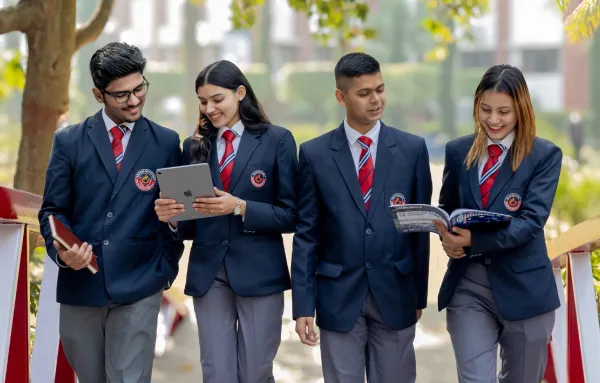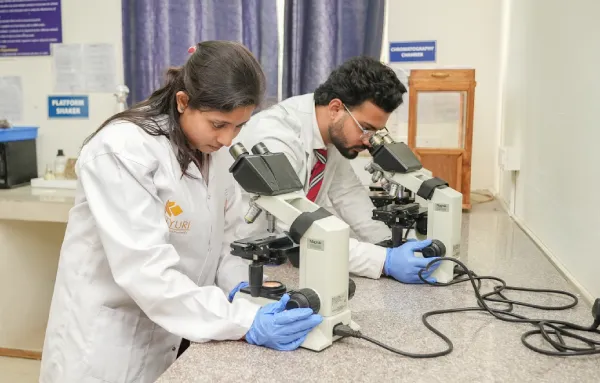

Undergraduate, Post Graduate, Certificate, Diploma and Research Degree in the field of hotel management are being offered by the department of hospitality management.
Eligibility is as per UGC norms. For undergraduate and diploma courses, candidates should have completed 10+2 with minimum 50 percent mark. For postgraduate programs, a bachelor’s degree from recognised university.
Students post completing the program can pursue careers in hotels, resorts, airlines, cruise lines, fast food chains, retail, event management and entrepreneurship.
BHM (Bachelor of Hotel Management) is an undergraduate degree program that focuses on hospitality and hotel operations, including food production, front office, housekeeping, food & beverage service, and hospitality management.
Yes, the BHM course includes mandatory industrial training in reputed hotels, resorts, or hospitality organizations to provide practical exposure.
Yes, BHM is open to students from all streams (Arts, Commerce, Science).
Important skills include:
Communication skills
Customer service orientation
Teamwork
Leadership qualities
Problem-solving skills
Time management
With the growth of tourism, hotels, resorts, and events, BHM has strong career scope in India, especially in luxury hotels, hospitality chains, and tourism sectors.
Yes, BHM is a highly practical and industry-oriented course, involving labs, practical classes, internships, and live industry exposure.
BHM offers:
Global career opportunities
Dynamic and people-oriented work environment
Fast career growth
Opportunities in hotels, tourism, airlines, events, and entrepreneurship
The duration of the Masters in Hotel Management program is 2 years.
Any graduate degree (BA, BSc, BCom, BBA, BHM, etc.) from a recognized university with a minimum of 50% marks (45% for SC/ST/OBC candidates) is eligible.
No, prior work experience is not mandatory, but it is preferred.
The medium of instruction is English.
MHM graduates can pursue careers in hotel management, event management, tourism, food and beverage, consulting, academia, and more.
Yes, MHM is a recognized postgraduate degree in hospitality management.
Yes, MHM graduates can pursue PhD in Hospitality Management or related fields.
Yes, various scholarships are available for MHM students, including merit-based and need-based scholarships.
Yes, MHM graduates can explore job opportunities globally, especially in countries with a strong hospitality industry.
Key skills include leadership, communication, customer service, time management, and adaptability, among others.
Salary packages for MHM graduates can range from ₹30,000 to ₹1,00,000 per month, depending on the organization and experience.
Yes, MHM graduates can start their own hospitality-related businesses, such as hotels, restaurants, or event management companies.
MHM programs often offer specializations like Hotel Operations, Event Management, Tourism Management, Food and Beverage Management, and Marketing Management.
Yes, MHM is a good course for those passionate about hospitality and looking for a rewarding career in the industry.
The fee structure for MHM varies across institutions, ranging from ₹1 lakh to ₹5 lakhs per year.
Yes, some institutions conduct entrance exams like CAT, MAT, XAT, or CMAT for MHM admissions.
Yes, MHM graduates are preferred by top hotel chains like Taj, Oberoi, Hilton, and Marriott.
Key skills include leadership, communication, customer service, time management, adaptability, and teamwork.
Yes, BBA graduates can pursue MHM, as it is an interdisciplinary program.
Yes, industrial training is often part of the MHM curriculum, providing hands-on experience in the hospitality industry.
Yes, many universities abroad offer MHM programs, providing global exposure and opportunities.
Job roles include Hotel Manager, Event Manager, Tourism Manager, Food and Beverage Manager, and more.
Yes, MHM is suitable for both fresh graduates and those with prior hospitality experience.
Yes, scholarships are available for MHM students based on merit and need.
Emerging trends include sustainable hospitality, digitalization, personalize
Candidates with a valid UGC-NET (Category 1, 2 or 3) are exempted from the written test. However, they must attend the online interview.
DHM (Diploma in Hotel Management) is a professional course designed to train students for careers in the hospitality and tourism industry, covering hotel operations, customer service, and management basics.
The duration of the DHM program is usually 2 years, which includes academic study and industrial training / internship.
Students must have passed 10+2 (any stream) from a recognized board. Some institutes may allow admission after 10th standard as well.
Core subjects include:
Food Production
Food & Beverage Service
Front Office Operations
Housekeeping
Hospitality Marketing
Communication Skills
Hotel Accounting
Industrial Training
Yes, industrial training (internship) is a compulsory part of the course and helps students gain practical exposure in hotels and resorts.
Graduates can work in:
Hotels & Resorts
Airlines & Cruise Lines
Restaurants & Cafés
Event Management Companies
Tourism Offices
Hospitals and Corporate Catering
Common roles include:
Front Office Executive
Food & Beverage Service Associate
Commis Chef
Housekeeping Supervisor
Guest Relations Executive
The starting salary ranges between ₹12,000 – ₹20,000 per month, depending on the organization and location.
Yes. Students can go for:
BHM (Bachelor in Hotel Management)
B.Sc. in Hospitality or Catering
MBA in Hospitality or Tourism
Most institutes provide placement support and interview opportunities with reputed hotel brands.
Yes. Hospitality skills are globally relevant, and students can apply for jobs abroad after gaining experience.
Good communication
Pleasant personality and grooming
Customer-service mindset
Teamwork and adaptability
Time management
The medium of instruction is English, but practical explanations may be given in Hindi or bilingual mode for better understanding.
Most institutes offer direct admission based on eligibility. Some may conduct a personal interview or basic aptitude test.
Generally, the age limit is 17–25 years, but it may vary depending on institute policies.
Students must follow professional grooming standards such as:
Formal uniform as prescribed by the institute
Clean shave / neatly trimmed beard (for boys)
Tied hair and light makeup (for girls)
Clean shoes and proper hygiene
Yes, practical lab sessions in kitchen, service, housekeeping, and front office are compulsory and carry internal marks.
Evaluation is based on:
Internal assessments
Practical exams
End-term written exams
Internship performance report
The student may appear for a re-exam / back paper as per institute and university norms.
Some institutes and government bodies provide merit-based or need-based scholarships.
Yes, some institutes offer flexible timings or weekend batches for working professionals.
Many institutes provide hostel facilities or help students find nearby accommodation.
Recognition depends on the institute. Students should check whether the institute is approved by UGC / AICTE / State Board / University.
Yes, students should be medically fit as hospitality work involves long hours an d standing duties.