The Department of Petroleum Engineering and Earth Sciences organizes a diverse range of academic, technical, industrial, and outreach activities aimed at fostering practical learning, industry readiness, and scientific innovation.
These initiatives are designed to bridge the gap between theoretical knowledge and real-world applications, while promoting sustainability and interdisciplinary collaboration.

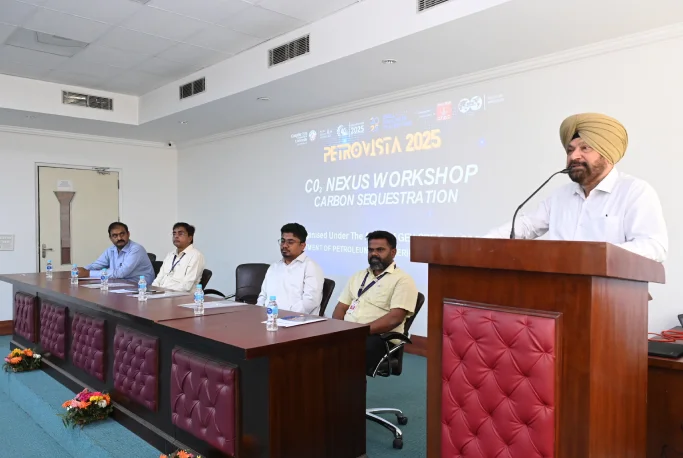
The Department of Petroleum Engineering and Earth Sciences organizes the CO₂ Nexus Workshop as a flagship academic initiative focused on Carbon Capture, Utilization, and Storage (CCUS). The CO₂ Nexus Workshop was designed as a high-impact academic initiative focusing on Carbon Capture, Utilization, and Storage (CCUS)—a critical technology in global efforts toward climate change mitigation. The workshop brought together leading experts from premier institutions to deliver in-depth insights into carbon management strategies, lifecycle analysis, and sustainable energy transitions.
Participants were introduced to the scientific principles of carbon sequestration, including geological storage in depleted reservoirs and saline aquifers. Advanced discussions covered carbon utilization pathways, policy frameworks, and industrial implementation challenges. The workshop emphasized interdisciplinary collaboration between geoscience, engineering, and environmental policy.
Through expert lectures, interactive sessions, and case studies, students gained exposure to real-world applications of CCUS technologies, preparing them to contribute to emerging low-carbon energy solutions.


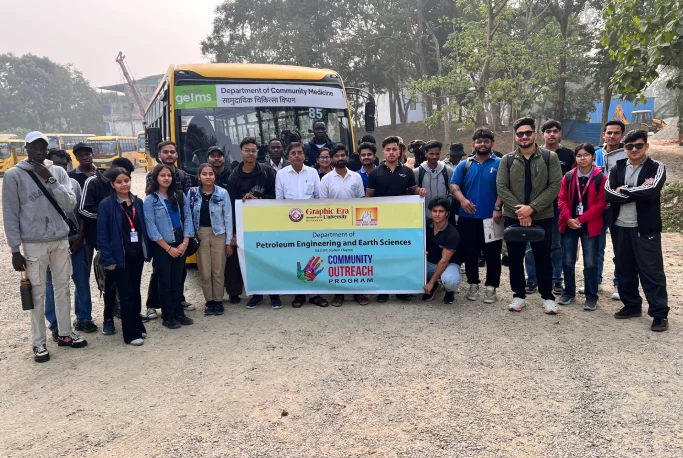
The Department of Petroleum Engineering and Earth Sciences actively organizes the Community Outreach Program – Cleanliness Drive as part of its commitment to social responsibility and environmental sustainability.
This initiative involves students and faculty working collaboratively to promote cleanliness, hygiene awareness, and waste management practices in surrounding communities. Activities include cleaning public spaces, conducting awareness campaigns, and educating citizens on sustainable living practices.
Through such outreach programs, the department nurtures socially responsible engineers and geoscientists who understand their role in contributing to both environmental conservation and community development.

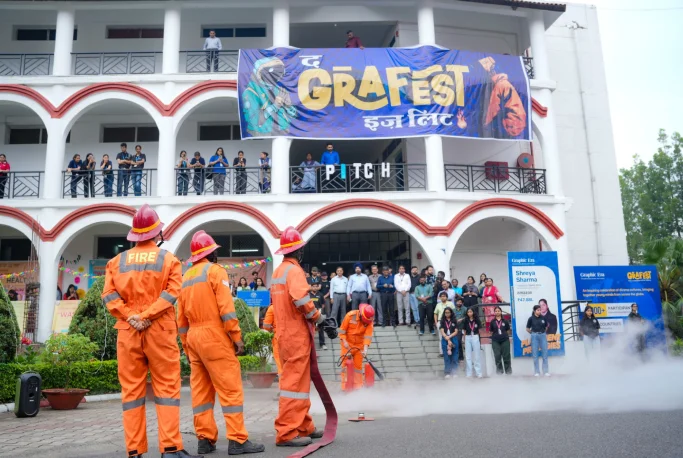
The Fire Safety Workshop was conducted in collaboration with industry professionals to provide hands-on training in fire prevention, hazard identification, and emergency response protocols.
Participants were trained in the use of fire extinguishers, evacuation procedures, and safety compliance standards followed in industrial environments, particularly in the oil and gas sector. Demonstrations included real-time fire control techniques and safety drills, ensuring practical understanding.
The workshop highlighted the importance of Health, Safety, and Environment (HSE) practices in high-risk industries, equipping students with essential safety competencies required in professional settings.
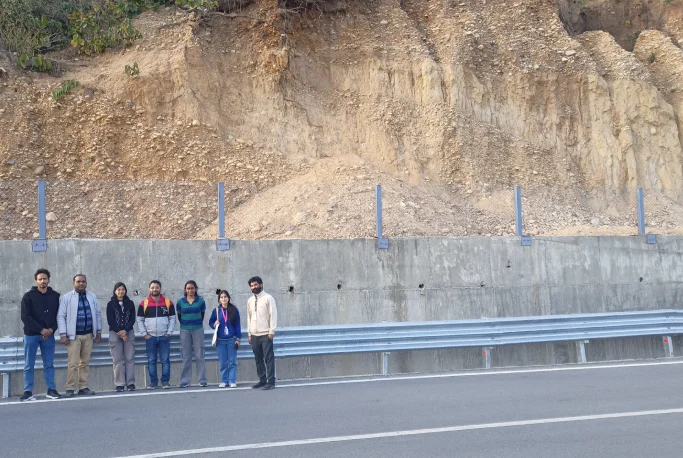
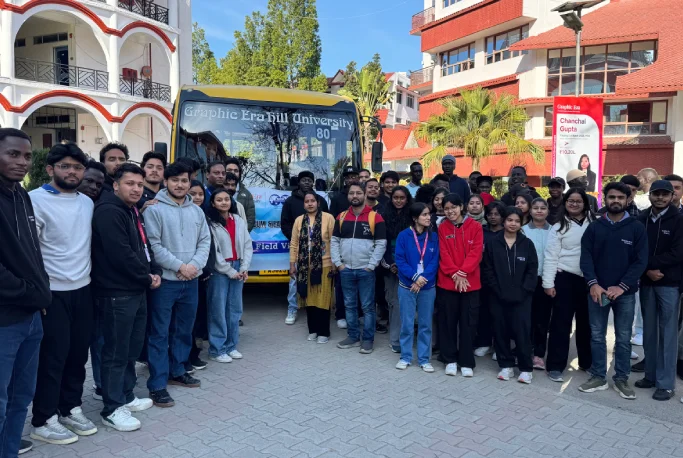
The Department of Petroleum Engineering and Earth Sciences organizes Geological Field Visits as an integral component of its academic curriculum, providing students with essential hands-on experience in real geological environments. Geological Field Visits are a cornerstone of experiential learning in earth sciences, providing students with direct exposure to natural geological formations, structures, and processes.

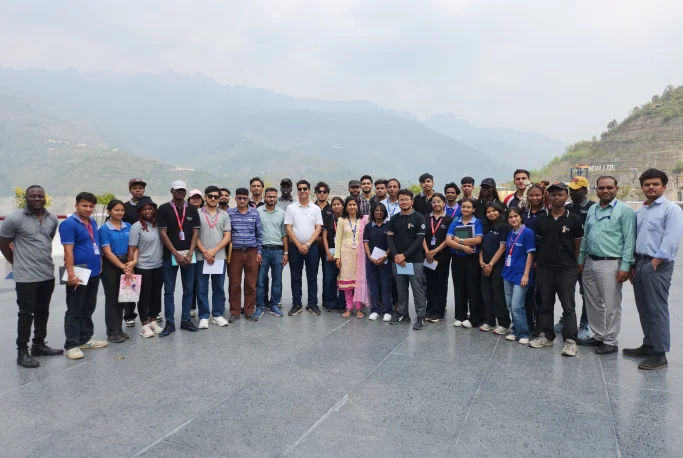
Students explored the geological and engineering aspects of one of India’s largest hydropower projects. The visit focused on:
Hands-on training included measuring strike, dip, folds, and faults using field instruments, bridging theoretical knowledge with real-world applications.

A comprehensive field program covering diverse geological settings:
Students gained practical experience in field mapping, fossil identification, and depositional environment analysis, making it an integral part of their academic training.

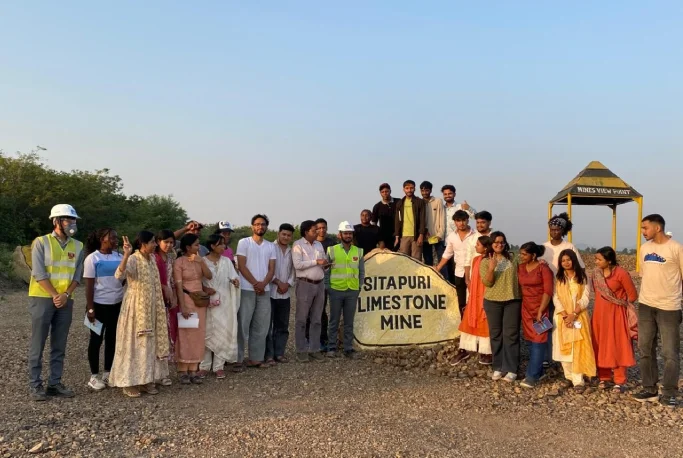
A comprehensive field program focused on the Delhi Supergroup and Aravalli geology, including:
These field programs develop essential skills in geological mapping, sampling, interpretation, and field instrumentation.

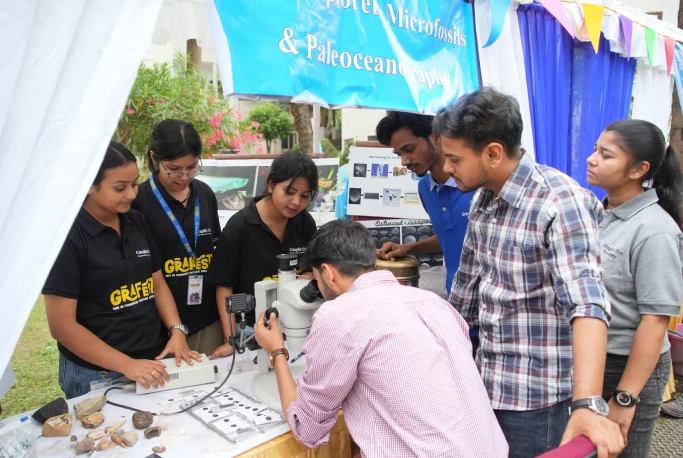
The Grafest Exhibition served as a dynamic platform for students to showcase innovative models, geological concepts, and petroleum engineering applications.

Industrial Visits are organized to bridge the gap between academic learning and industry practices. These visits provide students with first-hand exposure to operations in sectors such as oil & gas, mining, and energy production.
Students interact with industry professionals and gain insights into:
Such experiences enhance students’ understanding of real-world challenges and prepare them for professional careers in the energy sector.

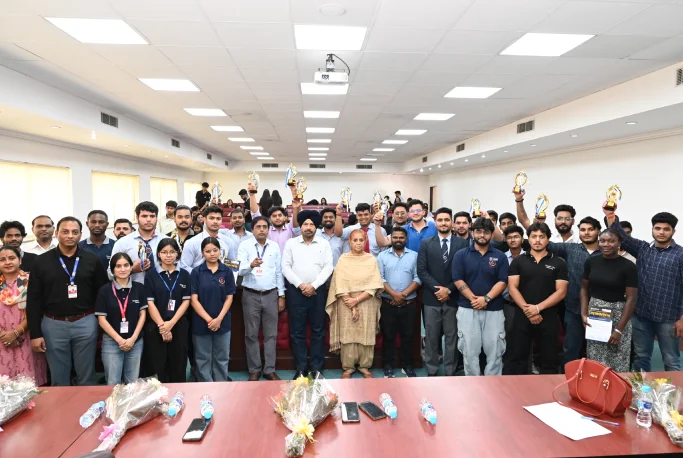
SPE 2025 – PETROVISTA is a flagship technical event organized under the Society of Petroleum Engineers (SPE) Student Chapter, aimed at fostering industry-academia collaboration and technical excellence. The event featured:
The event provided a comprehensive platform for students to demonstrate their skills, engage with professionals, and explore advancements in the energy sector. It successfully promoted innovation, research, and interdisciplinary learning.

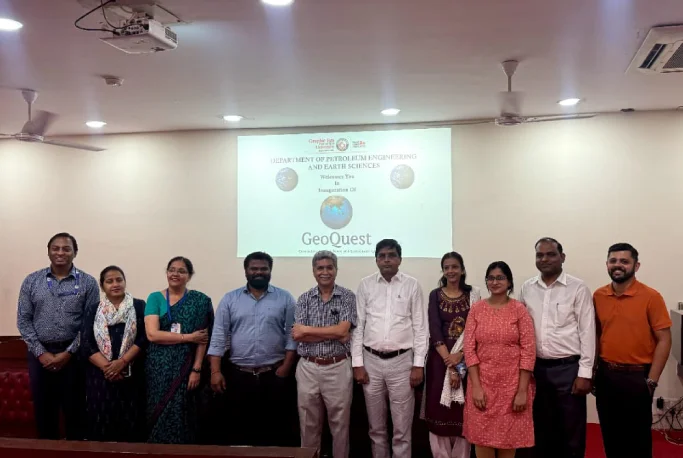
The department organizes GeoQuest, a multidisciplinary event aimed at promoting earth sciences awareness and sustainability among students.
GeoQuest successfully brings together participants from various institutions, fostering curiosity and interest in geosciences while promoting scientific thinking and sustainability awareness.